

⚡ Quick Engineering Summary (BLUF)
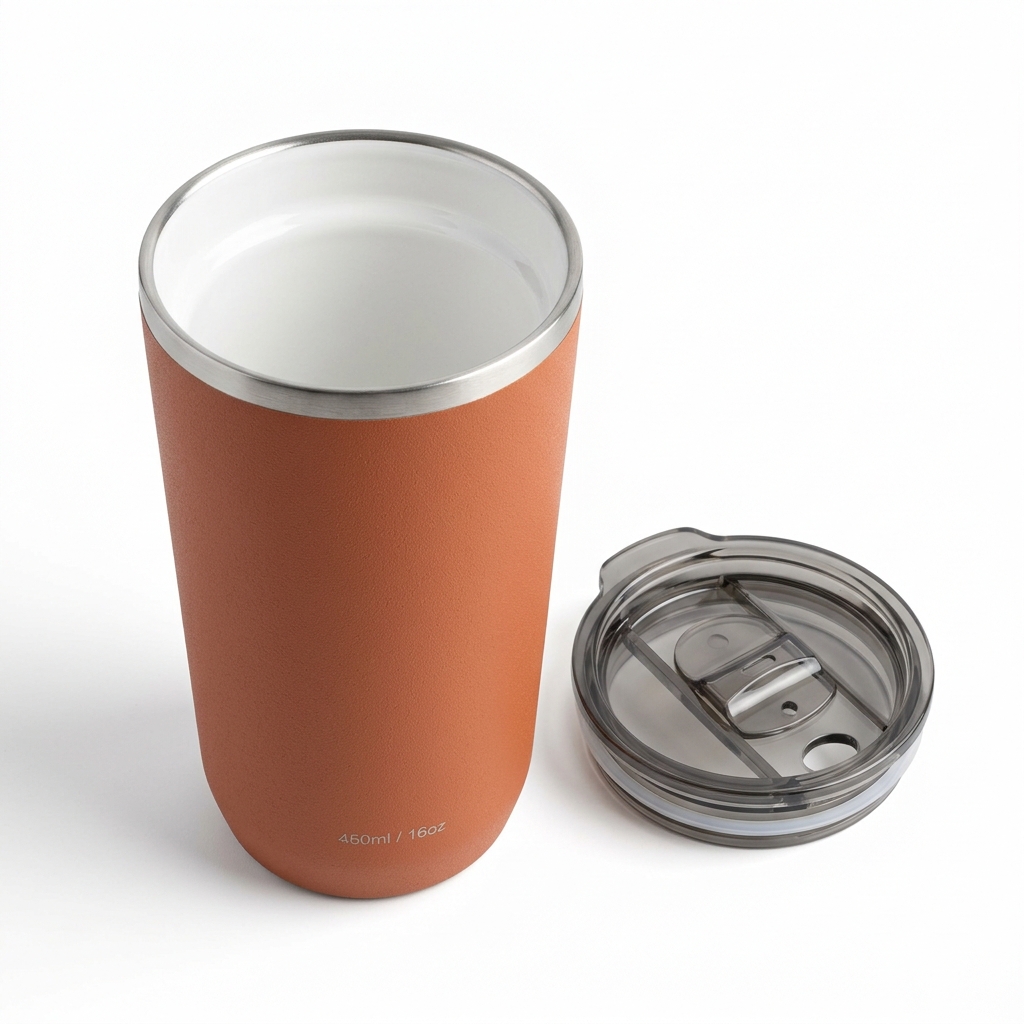
Specialty coffee roasters and baristas widely recognize that standard stainless steel travel mugs oxidize delicate aromatic terpenes and volatile organic acids (such as malic, citric, and phosphoric acids), imparting an unwanted astringent metallic aftertaste. To solve this, Naike engineers high-temperature fused true ceramic-lined tumblers (SKU DRK-CRT-005). An inorganic, non-porous silica-alumina ceramic slurry is electrostatically applied over a precision-etched SUS304 substrate and baked at 450°C. This creates an inert, impermeable barrier with zero metallic contact, passing 500 commercial dishwasher cycles and extreme thermal shock tests from -20°C freezer temperatures straight to 100°C boiling pour-over without micro-crazing or delamination.
1. The Chemistry of Coffee Degradation in Stainless Steel Vessels
Specialty coffee is a complex chemical solution containing over 800 volatile flavor compounds and organic acids:
- Chlorogenic Acid Cleavage: Natural chlorogenic acids in coffee interact with exposed chromium and iron atoms in standard stainless passivation layers, catalyzing degradation into caffeic acid and quinic acid, resulting in harsh sourness.
- Terpene Absorption: Porous plastic lids and rough metal liners absorb aromatic floral and fruity terpenes, leaving behind a muddled, stale profile.
2. High-Temperature Ceramic Fusion vs. Cheap PTFE/Sol-Gel Sprays
Many low-cost 'ceramic' cups on the market use inexpensive fluoropolymer (PTFE) sprays that scratch easily with metal spoons. Naike utilizes a proprietary inorganic liquid silica-alumina ceramic formulation:
- Micro-Etch Substrate Preparation: The interior SUS304 surface is chemically etched to create micro-anchoring craters with Ra ~ 2.5 μm.
- Robotic Wet Spraying: Multi-axis spray nozzles deposit a uniform 30–45 μm wet coating.
- 450°C Sintering Furnace: High-temperature baking fuses the ceramic particles into a continuous, glass-like impermeable silicate matrix that is 100% free from PTFE, PFOA, Lead, and Cadmium.
🔬 Manufacturing Flagships Mentioned in this Engineering Report
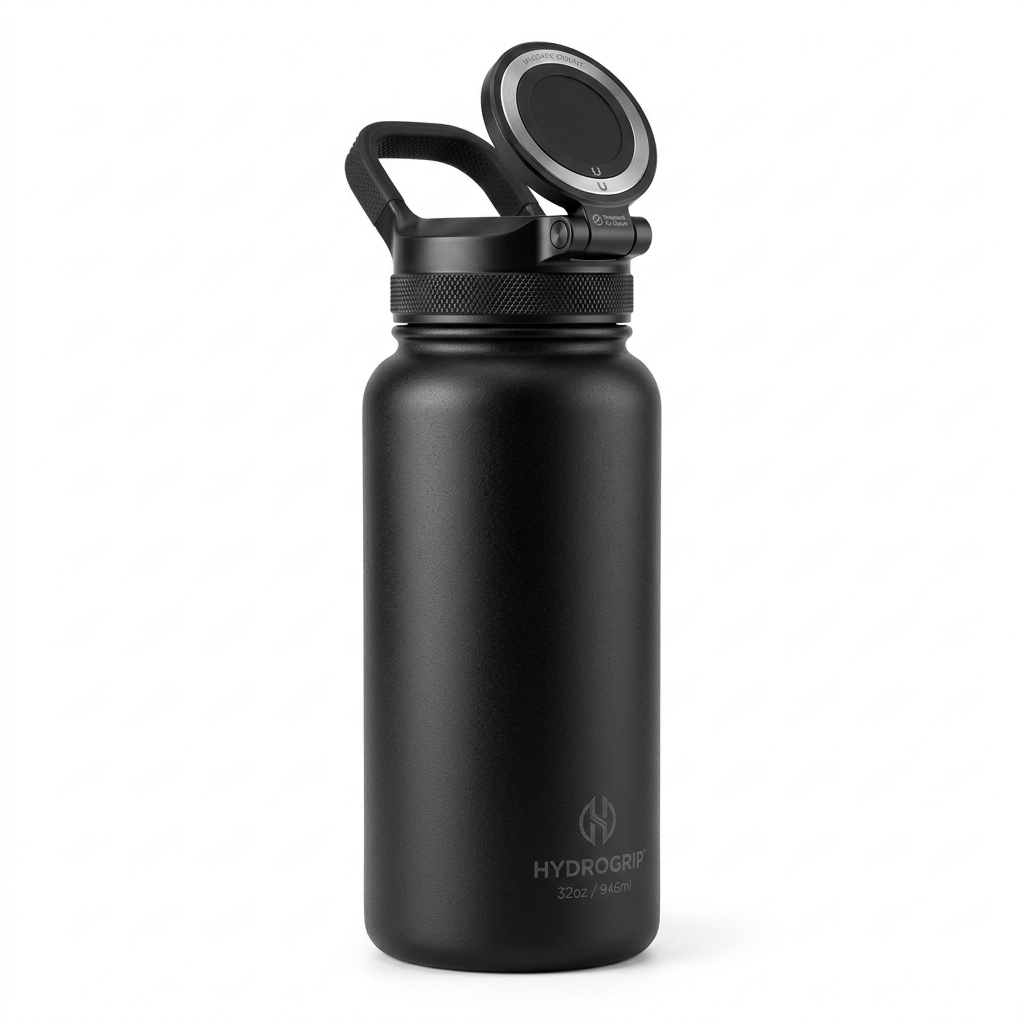
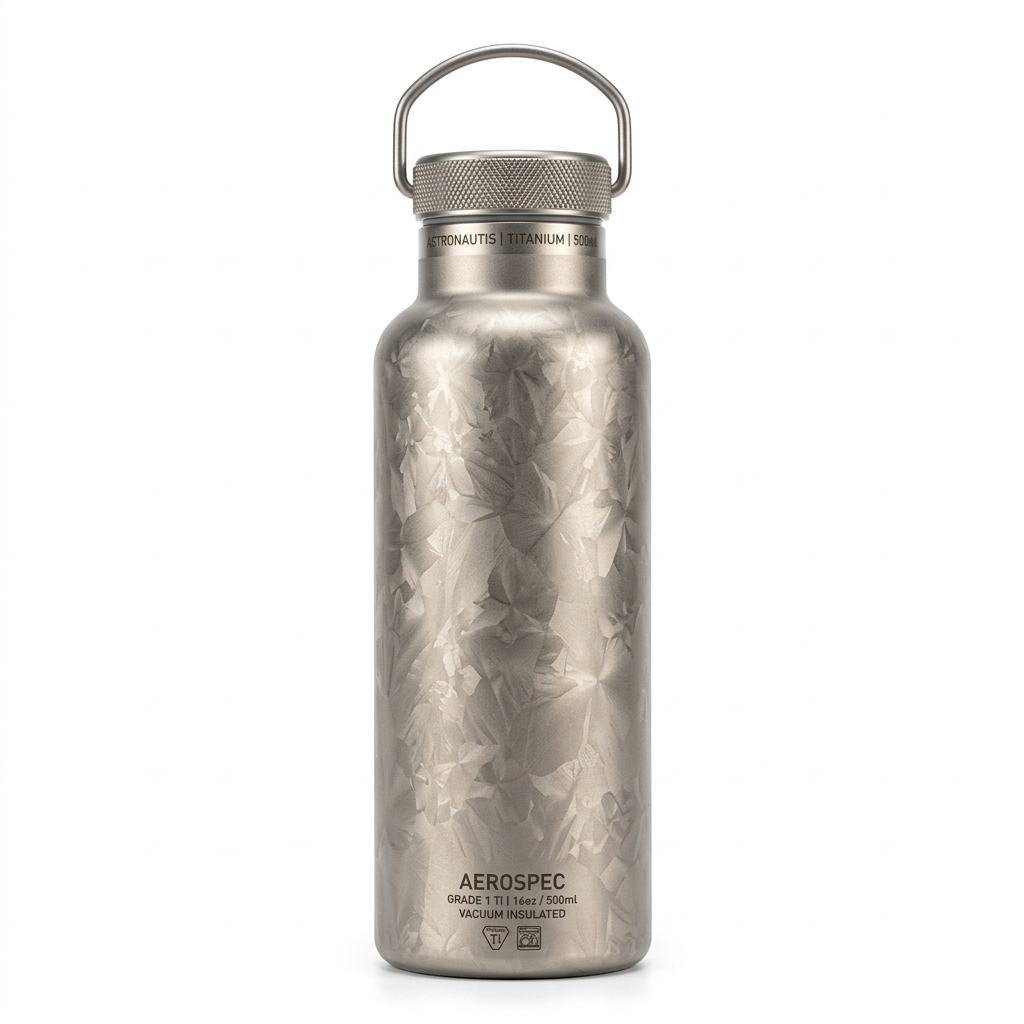
Ready to evaluate tooling samples or request custom CAD/DFM analysis? Explore our creative drinkware flagships manufactured at our Dongshi, Quanzhou campus:
Discuss Your OEM/ODM Project With Our Engineering Desk
Receive an itemized FOB quote, material test reports, and free 3D digital rendering within 24 hours. Existing molds MOQ 500 pcs; custom tooling MOQ 1,000 pcs with 100% tooling rebate.