

⚡ Quick Engineering Summary (BLUF)
Medical-grade SUS316 contains 2.0% to 3.0% Molybdenum (Mo), yielding a Pitting Resistance Equivalent Number (PREN) above 23.0—nearly 30% higher than standard food-grade SUS304 (PREN ~18.0). This metallurgical difference makes SUS316 the global manufacturing benchmark for holding acidic cold-brew coffee (pH 4.85), carbonated soda, and electrolyte drinks without chlorite pitting corrosion or metallic off-flavors. Meanwhile, Grade 1 (TA1) Pure Titanium (Ti > 99.5%) offers supreme acid/base immunity with zero heavy metal migration, weighing 42% lighter than stainless steel. Naike applies mirror electropolishing to Ra < 0.2μm across all liners to eliminate micro-crevice bacterial biofilm adhesion.
1. Chemical Composition & PREN (Pitting Resistance Equivalent Number)
In high-volume drinkware manufacturing, the choice of liner alloy directly dictates food-contact longevity, corrosion kinetics, and beverage purity. While both SUS304 and SUS316 belong to the 300-series austenitic stainless steel family, their microscopic crystal grain matrices differ fundamentally:
| Alloy Standard | Chromium (Cr) | Nickel (Ni) | Molybdenum (Mo) | Calculated PREN | Recommended Applications |
|---|---|---|---|---|---|
| SUS304 (1.4301 / AISI 304) | 18.0 - 20.0% | 8.0 - 10.5% | 0.0% | ~18.5 | Pure water, tea, mild ambient beverages |
| SUS316 (1.4401 / AISI 316) | 16.0 - 18.0% | 10.0 - 14.0% | 2.0 - 3.0% | 23.2 - 25.0 | Espresso, cold brew, fruit juice, sports electrolytes |
| Grade 1 Titanium (TA1 / UNS R50250) | 0% (Trace Fe < 0.2%) | 0% | 0% | Infinite Immunity | Ultralight outdoor, spirits, high-acidity citrus, sensitive palate |
The critical differentiator is Molybdenum (Mo). Mo forms a dense, self-healing molybdenum oxide boundary layer that resists chloride ion (Cl⁻) penetration. In accelerated ASTM G48 ferric chloride pitting tests at 35°C, SUS304 develops microscopic crevice corrosion within 24 hours, whereas SUS316 survives 120 hours without surface degradation.
2. Ra < 0.2μm Mirror Electropolishing vs. Mechanical Abrasive Buffing
Raw cold-rolled stainless steel tubing retains micro-peaks and valleys with an average roughness (Ra) of 0.8–1.2 μm. When acidic coffee or dairy liquids enter these microscopic fissures:
- Biofilm Seeding: Dairy fats and coffee tannins adhere mechanically to microscopic fissures, resisting standard dishwasher cleaning.
- Galvanic Flavor Degradation: Micro-rough surfaces expose non-passivated iron atoms, initiating oxidation of coffee chlorogenic acids and releasing volatile metallic notes.
At Naike's Quanzhou campus, all inner liners undergo automated multi-stage chemical-electropolishing in a heated phosphoric-sulfuric electrolyte bath. The electrochemical process selectively strips microscopic burrs, yielding an ultra-smooth mirror finish of Ra < 0.18 μm verified by in-line contact profilometer inspection.
3. Grade 1 / TA1 Pure Titanium: The High-End Sourcing Frontier
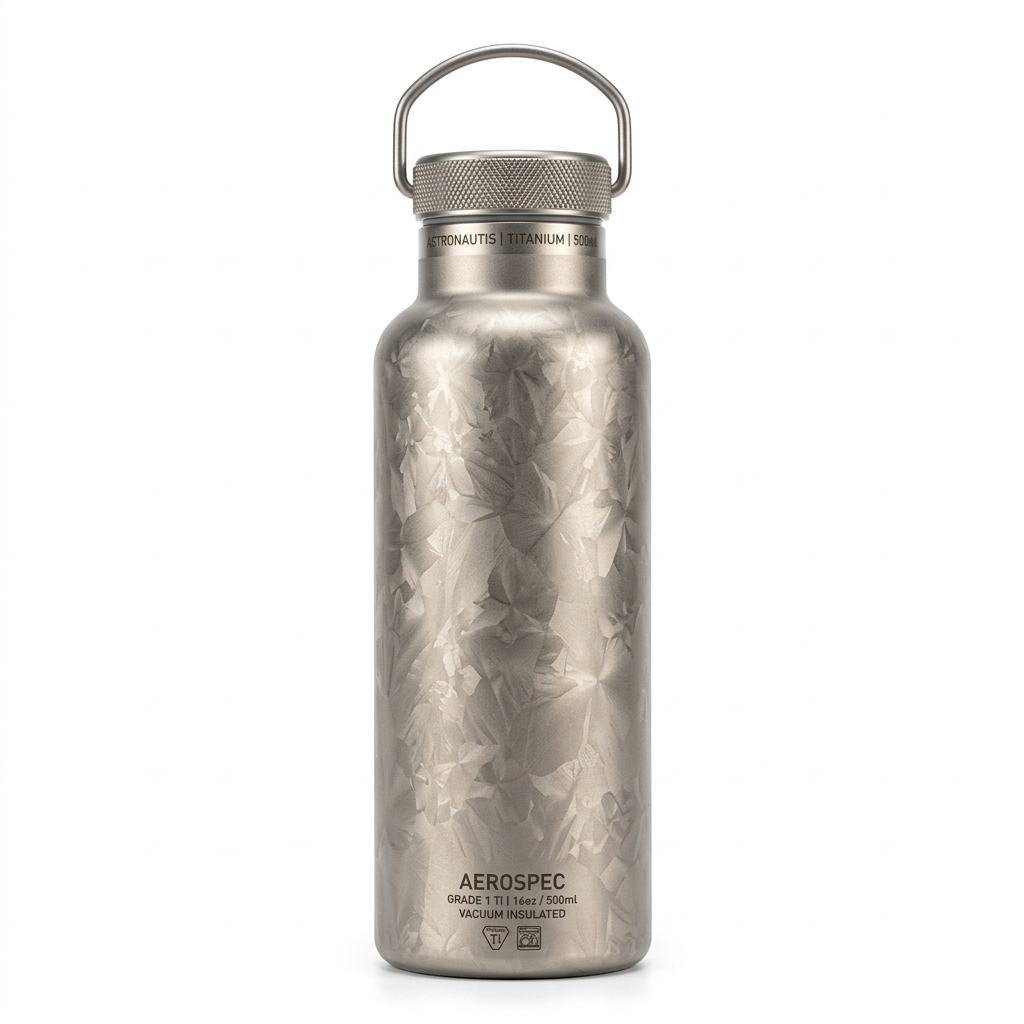
For premium outdoor gear brands, Grade 1 Titanium represents the pinnacle of material engineering. Weighing just 4.51 g/cm³ compared to 7.93 g/cm³ for stainless steel, a 600ml single-wall titanium flask weighs merely 88 grams. Furthermore, titanium spontaneously develops a continuous TiO₂ ceramic passivation layer that exhibits natural bacteriostatic properties and zero interaction with dairy or citrus acids.
🔬 Manufacturing Flagships Mentioned in this Engineering Report
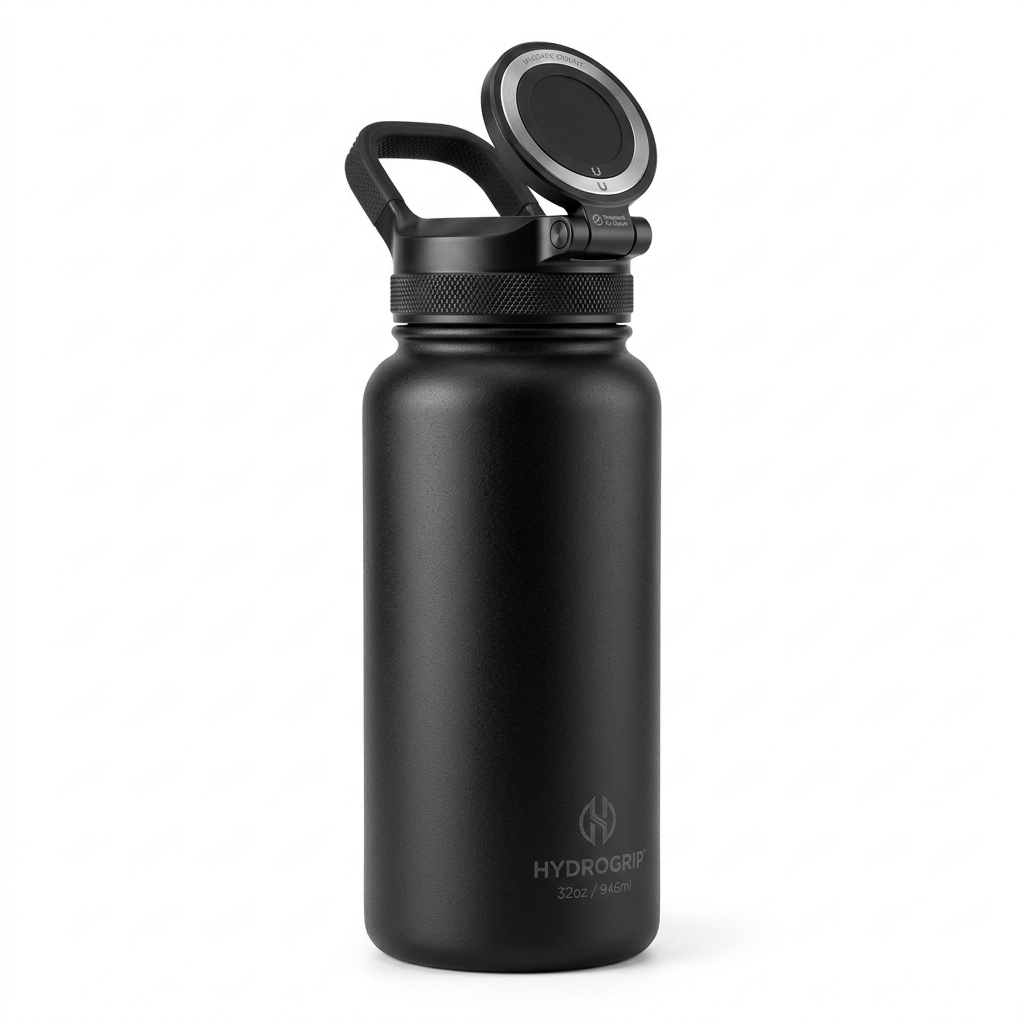
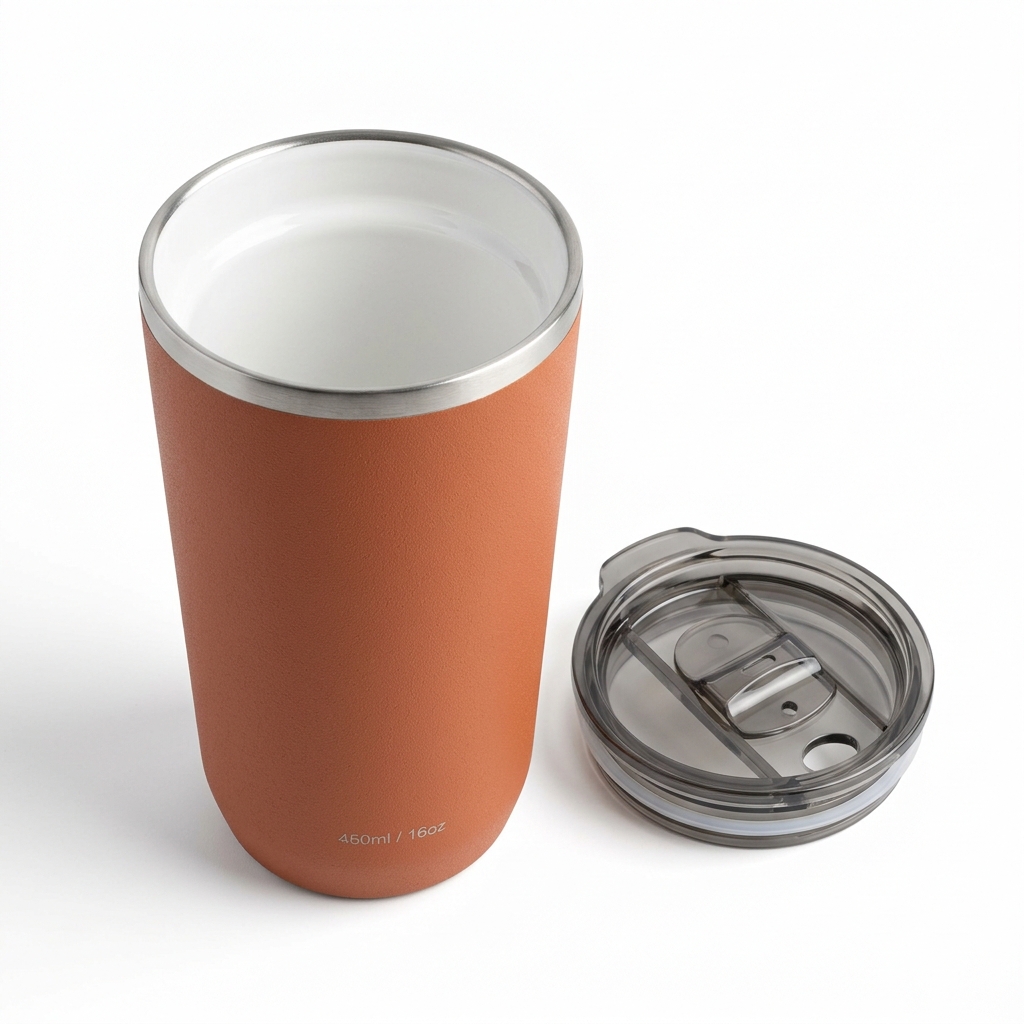
Ready to evaluate tooling samples or request custom CAD/DFM analysis? Explore our creative drinkware flagships manufactured at our Dongshi, Quanzhou campus:
Discuss Your OEM/ODM Project With Our Engineering Desk
Receive an itemized FOB quote, material test reports, and free 3D digital rendering within 24 hours. Existing molds MOQ 500 pcs; custom tooling MOQ 1,000 pcs with 100% tooling rebate.